

Many women silently struggle with women emotional low self worth, often believing they must constantly please others, avoid conflict, and put everyone else’s needs before their own.
From the outside, they may appear caring, dependable, and supportive. Yet internally, they often feel exhausted, overlooked, anxious, and disconnected from their own needs.
If this sounds familiar, you are not alone.
Women who experience emotional low self-worth frequently find themselves trapped in cycles of people-pleasing, overthinking, guilt, perfectionism, and self-sacrifice. They may struggle to say no, fear disappointing others, and constantly seek validation from external sources.
The good news is that low self-worth is not permanent.
You can learn to recognize unhealthy patterns, rebuild self-trust, establish healthy boundaries, and create a life that reflects your true value.
In this guide, we’ll explore 7 practical ways to overcome women emotional low self worth today and begin developing healthier relationships with yourself and others.
What Is Women Emotional Low Self Worth?
Women emotional low self worth refers to a persistent belief that your needs, feelings, opinions, or desires are somehow less important than those of others.
This mindset often develops gradually through life experiences such as:
- Childhood criticism
- Emotional neglect
- Toxic relationships
- Repeated rejection
- Unrealistic expectations
- Cultural pressure to be “nice”
- Fear of conflict
- Trauma or emotional wounds
Over time, these experiences can create deeply rooted beliefs such as:
- “I am not good enough.”
- “I have to earn love.”
- “I must keep everyone happy.”
- “My needs don’t matter.”
- “If I say no, people will reject me.”
These beliefs frequently fuel people-pleasing behavior and emotional exhaustion.
Signs You May Be Struggling With Women Emotional Low Self Worth
Before learning how to overcome it, it’s important to recognize the signs.
You may be experiencing women emotional low self worth if you:
- Constantly seek approval from others
- Feel guilty when saying no
- Struggle with boundaries
- Avoid expressing your needs
- Overthink conversations
- Fear disappointing people
- Take responsibility for others’ emotions
- Feel emotionally drained most days
- Put yourself last repeatedly
- Have difficulty accepting compliments
Many women don’t realize these behaviors stem from low self-worth because they have become normal over time.
However, recognizing these patterns is often the first step toward meaningful change.
1. Stop Measuring Your Worth Through Other People’s Approval
One of the strongest contributors to women emotional low self worth is the habit of relying on external validation.
When your self-esteem depends on how others respond to you, your confidence becomes unstable.
You may feel good when:
- Someone praises you
- Someone agrees with you
- Someone appreciates your help
But when approval disappears, your self-worth drops as well.
Healthy self-worth develops when you learn to value yourself independently of others’ opinions.
Ask yourself:
- What do I value about myself?
- What strengths do I bring into relationships?
- What qualities make me proud?
The more you identify internal sources of validation, the less dependent you become on external approval.
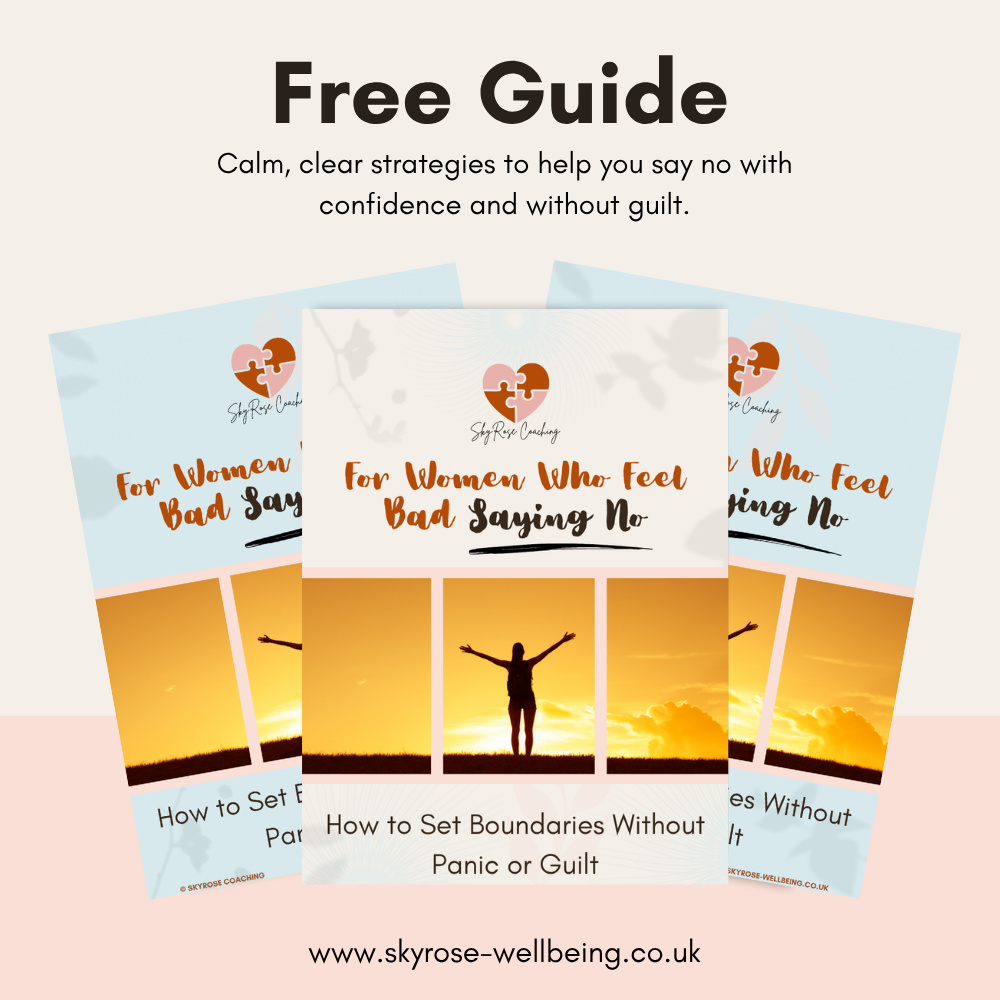
If saying no feels impossible, this free resource may help:
Free Guide: For Woman Who Feel Bad Saying No
Many women discover that boundary-setting becomes easier when they begin challenging approval-seeking habits.
2. Recognize How People Pleasing Reinforces Low Self Worth
People pleasing often appears helpful on the surface.
You may think:
- “I’m being kind.”
- “I’m helping everyone.”
- “I don’t want conflict.”
But underneath, people pleasing is often driven by fear.
Fear of:
- Rejection
- Criticism
- Disappointment
- Abandonment
- Conflict
The problem is that every time you ignore your own needs to keep others comfortable, you send yourself a message:
“My needs matter less.”
Over time, this strengthens women emotional low self worth.
Breaking free requires learning that your needs deserve equal consideration.
Not more than others.
Not less than others.
Equal.
A helpful question to ask yourself is:
“Would I expect someone I love to sacrifice themselves in this situation?”
If the answer is no, why are you expecting it from yourself?
3. Learn to Say No Without Guilt
Many women experiencing emotional low self worth struggle intensely with boundaries.
They worry that saying no means:
- Being selfish
- Being rude
- Being unkind
- Letting people down
In reality, healthy boundaries protect both your wellbeing and your relationships.
Consider these examples:
Instead of:
“I guess I can do it.”
Try:
“I appreciate you asking, but I’m unable to commit right now.”
Instead of:
“Sorry, I don’t want to be difficult.”
Try:
“That doesn’t work for me.”
Boundaries do not require lengthy explanations.
The more you practice saying no, the easier it becomes.
If this area feels particularly challenging, you may find support through this free community:
Facebook Support Group: Join here
Connecting with women who share similar experiences can help normalize healthy boundary-setting.
4. Challenge the Inner Critic
Women emotional low self worth is often maintained by an ongoing internal dialogue.
The inner critic may sound like:
- “You’re not good enough.”
- “You should be doing more.”
- “Everyone else is doing better.”
- “You’re failing.”
- “You don’t deserve success.”
Over time, these thoughts become automatic.
The key is learning to question them.
Ask:
- Is this thought actually true?
- What evidence supports it?
- What evidence contradicts it?
- Would I speak this way to someone I love?
Imagine replacing:
“I’m a failure.”
With:
“I’m learning and growing.”
Or:
“I made a mistake, but mistakes don’t define my worth.”
Small shifts in self-talk can create significant improvements in self-esteem over time.
5. Reclaim Your Energy Instead of Giving It Away
Many women with emotional low self worth become experts at giving.
Giving time.
Giving attention.
Giving emotional support.
Giving resources.
Giving energy.
Yet they rarely stop to ask:
“Who is giving back to me?”
This imbalance often creates chronic exhaustion and resentment.
One of the most powerful ways to heal low self-worth is learning to protect your energy.
Ask yourself:
- Which relationships energize me?
- Which relationships drain me?
- Where am I overextending myself?
- What commitments no longer serve me?
Understanding your energy patterns can transform your emotional wellbeing.
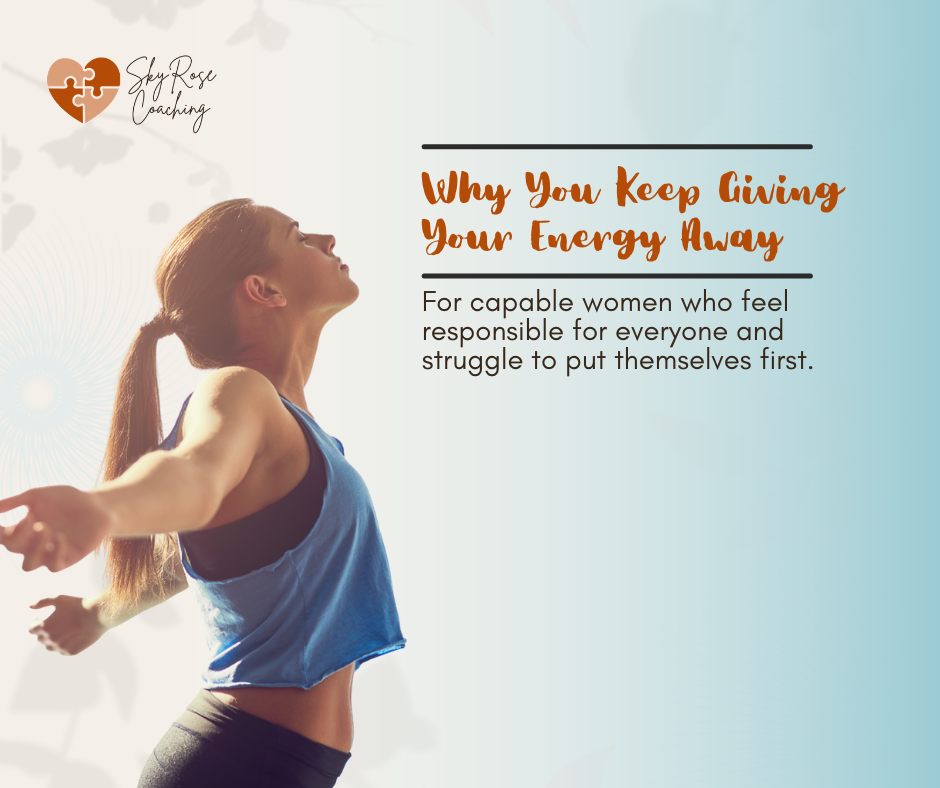
Additional support: Why You Keep Giving Your Energy Away
This resource explores common patterns that lead women to overgive and neglect their own needs.
6. Develop Self-Trust Through Small Daily Actions
Women emotional low self worth often damages self-trust.
Many women stop believing they can:
- Make good decisions
- Follow through
- Honor their needs
- Trust their instincts
The solution isn’t making massive life changes overnight.
Instead, rebuild trust gradually.
Start small.
Examples:
- Taking a 10-minute walk
- Drinking more water
- Keeping one promise to yourself daily
- Taking a break when needed
- Speaking honestly about your needs
Every time you follow through on a commitment to yourself, you strengthen self-trust.
Think of self-trust as a muscle.
The more consistently you use it, the stronger it becomes.
7. Invest in Support and Personal Growth
Healing women emotional low self worth does not mean doing everything alone.
Sometimes the fastest growth happens when you receive guidance and support.
Whether through coaching, community, education, or personal development programs, investing in yourself sends a powerful message:
“I am worth helping.”
You deserve support just as much as everyone else.
Consider exploring:
Why Women Emotional Low Self Worth Often Leads to Overthinking
Overthinking is a common symptom of low self-worth.
When you doubt yourself, your mind attempts to find certainty.
You may replay conversations repeatedly:
- “Did I upset them?”
- “Did I say the wrong thing?”
- “Should I have handled that differently?”
This constant mental analysis creates emotional fatigue.
The solution isn’t trying harder to find the perfect answer.
The solution is developing confidence in your ability to handle uncertainty.
When self-worth increases, overthinking often decreases because you no longer rely on perfection to feel safe.
How Emotional Low Self Worth Impacts Relationships
Women emotional low self worth can affect every type of relationship.
Including:
- Romantic relationships
- Friendships
- Family relationships
- Work relationships
Common relationship patterns include:
- Overgiving
- Avoiding difficult conversations
- Fear of rejection
- Poor boundaries
- Resentment
- Emotional burnout
Healthy relationships require mutual respect.
When you value yourself, you naturally attract and maintain healthier connections.
Practical Daily Habits to Strengthen Self Worth
Consider incorporating these habits into your daily routine:
Morning Self-Check
Ask:
- How am I feeling today?
- What do I need today?
- What would support me today?
Boundary Reflection
At the end of the day, ask:
- Did I honor my limits?
- Where did I say yes when I wanted to say no?
Gratitude for Yourself
Write down:
- Three things you did well
- Three qualities you appreciate about yourself
Energy Audit
Notice:
- What gave you energy?
- What drained your energy?
These simple practices help create greater self-awareness and emotional resilience.
Free Resources to Support Your Healing Journey
Coaching Services
If you’re ready to create healthier boundaries, improve self-worth, and stop giving away your energy, professional support can make the journey easier.
There comes a point when reading articles and watching videos isn’t enough.
Sometimes you need personalised guidance.
If you’re ready to explore what’s keeping you stuck and develop a practical path forward, consider booking a discovery session:
Coaching can help you uncover hidden blocks, strengthen confidence, and create sustainable change.

Final Thoughts
Women emotional low self worth can make life feel exhausting.
It can keep you trapped in people-pleasing patterns, constantly seeking approval, and sacrificing your own wellbeing for the comfort of others.
But healing is possible.
By learning to:
- Stop relying on external validation
- Recognize people-pleasing patterns
- Set healthy boundaries
- Challenge negative self-talk
- Protect your energy
- Build self-trust
- Seek support
You can gradually transform your relationship with yourself.
Remember:
Your worth is not determined by how much you give.
Your worth is not determined by how useful you are.
Your worth is not determined by how many people approve of you.
You are worthy simply because you exist.
And the moment you begin treating yourself with the same compassion you offer everyone else is the moment true healing begins.
What causes women emotional low self worth?
Women emotional low self worth can develop from childhood experiences, criticism, emotional neglect, unhealthy relationships, trauma, perfectionism, or years of prioritizing other people’s needs over their own. Over time, these experiences can create negative beliefs about self-worth and personal value.
Is people pleasing a sign of low self worth?
Yes, people pleasing is often connected to low self-worth. Many people pleasers seek approval, avoid conflict, and put others first because they fear rejection or believe their value depends on keeping others happy.
How can I stop feeling guilty when saying no?
Start by reminding yourself that setting boundaries is healthy, not selfish. Practice saying no in small situations and remember that protecting your time, energy, and wellbeing allows you to show up more authentically in your relationships.
Can low self worth affect relationships?
Absolutely. Women emotional low self worth can lead to overgiving, poor boundaries, fear of rejection, resentment, and emotional exhaustion. Building self-worth often leads to healthier and more balanced relationships.
How long does it take to overcome low self worth?
There is no fixed timeline. Healing is a gradual process that involves self-awareness, boundary setting, self-compassion, and consistent personal growth. Small daily changes can create meaningful improvements over time.