


Have you ever looked at your life and wondered, “Why do I feel lost?”
You may have a successful career, a family that depends on you, friendships you’ve maintained for years, and responsibilities that fill every hour of your day. Yet despite all of this, there is a lingering feeling that something is missing.
Many women who feel lost in midlife discover that the root cause is not a lack of purpose, motivation, or capability. Instead, it is a lifetime of people pleasing.
People pleasing often starts as a survival strategy. You learn to keep the peace, avoid conflict, and gain approval by prioritizing other people’s needs above your own. Over time, this habit becomes so deeply ingrained that you stop asking yourself what you want.
The result?
You wake up one day feeling disconnected from yourself, exhausted, resentful, and unsure of who you really are.
If you feel lost, these six harsh truths about people pleasing may help you understand why—and more importantly, how to begin finding your way back to yourself.
What Does It Mean When You Feel Lost?
Feeling lost does not necessarily mean your life is falling apart.
In fact, many people who feel lost appear successful from the outside.
You might:
- Constantly second-guess yourself
- Struggle to make decisions
- Feel emotionally exhausted
- Have difficulty identifying your needs
- Feel resentful toward others
- Wonder where your confidence went
- Feel disconnected from your purpose
When people pleasing becomes your default way of living, you can gradually lose touch with your authentic self.
Harsh Truth #1: People Pleasing Makes You Abandon Yourself
One of the hardest truths to accept is that every time you ignore your own needs to keep someone else happy, you send yourself a message:
“My needs don’t matter.”
At first, it seems harmless.
You agree to help a friend when you’re exhausted.
You say yes to extra work when you’re already overwhelmed.
You avoid expressing your opinion because you don’t want to upset someone.
But over time, these small acts accumulate.
Eventually, you become so focused on what everyone else wants that you forget to ask yourself:
What do I want?
One of the biggest reasons many women feel disconnected from themselves.
You have spent years following everyone else’s map while ignoring your own internal compass.
Signs You Are Abandoning Yourself
- You rarely say no
- You feel guilty when setting boundaries
- You struggle to identify your preferences
- You constantly seek validation
- You prioritize everyone else’s comfort over your own
If this sounds familiar, consider downloading this helpful guide:
Resource: For Women Who Feel Bad Saying No
For Women Who Feel Bad Saying No
Learning to set healthy boundaries is often the first step toward reconnecting with yourself.
Harsh Truth #2: People Pleasing Creates Hidden Resentment
Many people pleasers believe they are being kind.
However, underneath the kindness often lies unspoken resentment.
You give.
You help.
You support.
You sacrifice.
Yet deep down, you may secretly wish someone would notice how much you’re carrying.
The problem is that people cannot meet needs you never communicate.
When you continually overextend yourself, resentment grows.
You may find yourself thinking:
- Why am I always the one helping?
- Why doesn’t anyone check on me?
- Why do people take me for granted?
The truth is that people pleasing often teaches others to expect unlimited access to your time and energy.
This does not make them bad people.
It simply means you have trained them to believe that your needs always come last.
Why Resentment Makes You Feel Lost
Resentment creates emotional exhaustion.
Instead of living intentionally, you begin operating from obligation.
You stop feeling connected to your choices because many of them are not truly your own.
The more resentment builds, the more disconnected you feel from yourself.
Harsh Truth #3: Your Worth Has Become Tied to Approval
One of the most damaging effects of people pleasing is that your self-worth becomes dependent on external validation.
You feel good when others approve of you.
You feel anxious when they don’t.
This creates a constant emotional roller coaster.
When approval becomes your source of worth, you lose the ability to trust yourself.
You begin asking:
- What do they think?
- Will they be upset?
- Am I disappointing them?
Instead of asking:
- What feels right for me?
- What do I need?
- What aligns with my values?
This can leave you feeling lost because your identity becomes built around other people’s opinions.
Rebuilding Self-Worth
True confidence comes from self-trust.
That means:
- Honoring your boundaries
- Making decisions based on your values
- Accepting that not everyone will agree with you
- Allowing yourself to disappoint others occasionally
Remember:
Someone else’s disappointment does not mean you have done something wrong.
Harsh Truth #4: You Cannot Find Yourself While Constantly Performing
Many people pleasers become experts at wearing masks.
You become:
- The helper
- The caretaker
- The peacemaker
- The responsible one
- The strong one
These roles may have protected you for years.
However, when you are always performing a role, you lose connection with who you really are.
This is one of the most overlooked reasons people feel lost in midlife.
After years of meeting expectations, many women realize:
“I don’t actually know who I am outside of helping everyone else.”
That realization can feel frightening.
But it is also an opportunity.
Because once you recognize the mask, you can begin removing it.
Reflection Exercise
Ask yourself:
- What activities genuinely energize me?
- What would I do if nobody expected anything from me?
- What dreams have I ignored?
- What values matter most to me?
The answers may surprise you.
Harsh Truth #5: Protecting Everyone Else’s Feelings Is Draining Your Energy
Many people pleasers believe they are responsible for managing everyone else’s emotions.
You may find yourself:
- Walking on eggshells
- Avoiding conflict
- Fixing problems that aren’t yours
- Taking responsibility for how others feel
This is emotionally exhausting.
The truth is:
You are responsible for your actions.
You are not responsible for everyone else’s emotional reactions.
Trying to control how others feel is impossible.
Yet many people pleasers spend years attempting exactly that.
As a result, their own energy becomes depleted.
Reclaiming Your Energy
One powerful step is learning where your responsibilities end.
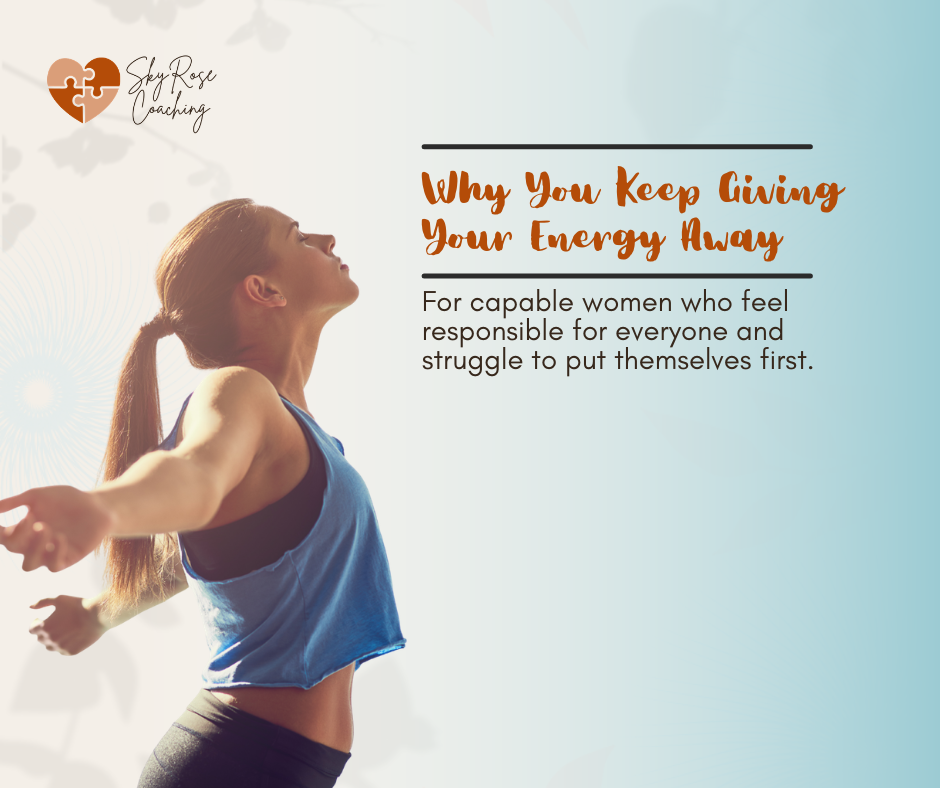
A useful resource is: Why You Keep Giving Your Energy Away
This can help you identify patterns that contribute to burnout and emotional overwhelm.
Harsh Truth #6: Nobody Is Coming to Give You Permission
This may be the harshest truth of all.
Nobody is coming to tell you:
- It’s okay to rest.
- It’s okay to say no.
- It’s okay to choose yourself.
- It’s okay to change direction.
You must give yourself that permission.
Many people who feel lost spend years waiting for external validation before making changes.
They wait until:
- Everyone understands
- Everyone agrees
- Everyone approves
But that moment rarely arrives.
Healing begins when you decide your wellbeing matters, even if others don’t fully understand your choices.
What Happens When You Stop People Pleasing?
When you begin setting boundaries and prioritizing your wellbeing, several things happen:
You Gain Clarity
You stop making decisions based solely on other people’s expectations.
You Rebuild Confidence
Every boundary strengthens self-trust.
You Experience More Energy
You stop carrying responsibilities that aren’t yours.
You Feel More Authentic
You begin living according to your values rather than external pressure.
You Stop Feeling Lost
Because you reconnect with the person you’ve been neglecting for years: yourself.
Practical Steps to Stop People Pleasing
1. Pause Before Saying Yes
Instead of automatically agreeing, try saying:
“I’ll think about it and get back to you.”
This creates space to consider your actual needs.
2. Start with Small Boundaries
Practice with low-risk situations.
Examples:
- Declining an invitation
- Asking for help
- Expressing a preference
Small boundaries build confidence for bigger ones.
3. Notice Guilt Without Obeying It
Guilt is often part of boundary setting.
Feeling guilty does not mean you’ve done something wrong.
It often means you’re doing something different.
4. Identify Your Core Values
Ask yourself:
- What matters most to me?
- What kind of life do I want?
- What am I no longer willing to tolerate?
Values create direction when you feel lost.
5. Join a Supportive Community
Healing is easier when you are surrounded by people who understand your journey.
You may find support here: People Pleasing Support Community
Connecting with others who share similar experiences can reduce feelings of isolation.
Additional Support and Resources
If you’re ready to stop people pleasing and build stronger self-worth, these resources may help:

Coaching Services
If you’re ready to create healthier boundaries, improve self-worth, and stop giving away your energy, professional support can make the journey easier.
There comes a point when reading articles and watching videos isn’t enough.
Sometimes you need personalised guidance.
If you’re ready to explore what’s keeping you stuck and develop a practical path forward, consider booking a discovery session:
Coaching can help you uncover hidden blocks, strengthen confidence, and create sustainable change.

Final Thoughts: If You Feel Lost, It May Be Time to Choose Yourself
If you feel lost, it does not mean you are broken.
It does not mean you have failed.
And it certainly does not mean it is too late.
Often, feeling lost is a signal.
A signal that you have spent so much time caring for others that you have forgotten to care for yourself.
The six harsh truths about people pleasing can be difficult to hear.
Yet they also offer hope.
Because once you recognize the patterns keeping you stuck, you gain the power to change them.
You can learn to set boundaries.
You can stop seeking constant approval.
You can reclaim your energy.
And most importantly, you can reconnect with the person you were always meant to be.
The path back to yourself begins with one simple decision:
Choose yourself today.
Frequently Asked Questions (FAQs)
Why do I feel lost because of people pleasing?
People pleasing often causes you to ignore your own needs, desires, and values. Over time, this can create a disconnect between who you truly are and the life you are living, leaving you feeling lost and unfulfilled.
Is people pleasing a trauma response?
In many cases, yes. People pleasing can develop as a coping mechanism in environments where approval, safety, or acceptance depended on meeting other people’s expectations.
How do I stop feeling guilty when I say no?
Start by remembering that guilt is a feeling, not proof that you have done something wrong. Healthy boundaries protect your wellbeing and create more balanced relationships.
Can people pleasing cause anxiety?
Yes. Constantly worrying about disappointing others can lead to chronic stress, anxiety, overthinking, and emotional exhaustion.
What are the signs of a people pleaser?
Common signs include difficulty saying no, fear of conflict, seeking approval, putting others first, overcommitting, and feeling responsible for other people’s emotions.
How can coaching help with people pleasing?
Coaching can help you identify unhealthy patterns, strengthen boundaries, rebuild self-trust, and create a life aligned with your values rather than external expectations.
Will I stop feeling lost if I stop people pleasing?
Many people experience greater clarity, confidence, and emotional freedom when they reduce people pleasing behaviors. Reconnecting with your authentic needs often helps restore a stronger sense of purpose and direction.